A Regenerative Stewardship Lease
Bringing Livestock Back to the Land, Thoughtfully
For more than four decades, this land supported a working cattle operation, one my father built through patient, hands-on care. As we look toward the future of Kandler's Shadow Farms, we feel a quiet pull to bring livestock back to these pastures, not as a return to the past, but as part of a larger vision already taking shape across the country. Films and stories like The Biggest Little Farm, Common Ground, and Kiss the Ground have given language to something many of us have felt for a long time: that land and animals, managed with intention, can heal each other. My father practiced these principles decades before they had a name. We want to carry that work forward.
What We Envision
We are seeking to lease pasture to someone raising a smaller, more intentional herd, no more than 13 head of cattle, alongside goats, sheep, and chickens, animals well suited to the land we have and the pace at which we want to steward it.
Rotational grazing means moving animals through smaller sections of pasture rather than letting them roam freely across the whole of it. Each section is grazed, then given time to rest and recover before animals return to it again. That rest is not empty time. It is when grasses rebuild their root systems, when soil regains what was taken from it, and when the land quietly repairs itself between visits. Done well, this rhythm keeps pasture from being worn down the way open, unmanaged grazing so often does.
Regenerative grazing takes that same idea further. Rather than simply avoiding harm to the land, the goal is for the animals themselves to actively improve it. Grazing stimulates healthier plant growth. Manure returns nutrients to the soil. Hooves gently break up compacted ground, allowing water and air to reach the roots beneath. A mix of species makes this work even better, since goats and sheep graze differently than cattle, clearing brush and undergrowth that cattle leave behind, while chickens follow after, scratching through manure, spreading it naturally, and reducing pests along the way. Each animal does a small part of the larger work, and together, the land is left healthier than before they arrived.
This is a farm still finding its next shape, and we are looking for a lessee who shares that same patience, someone who sees livestock not simply as animals to be raised, but as part of the land's own healing.
What This Land Offers
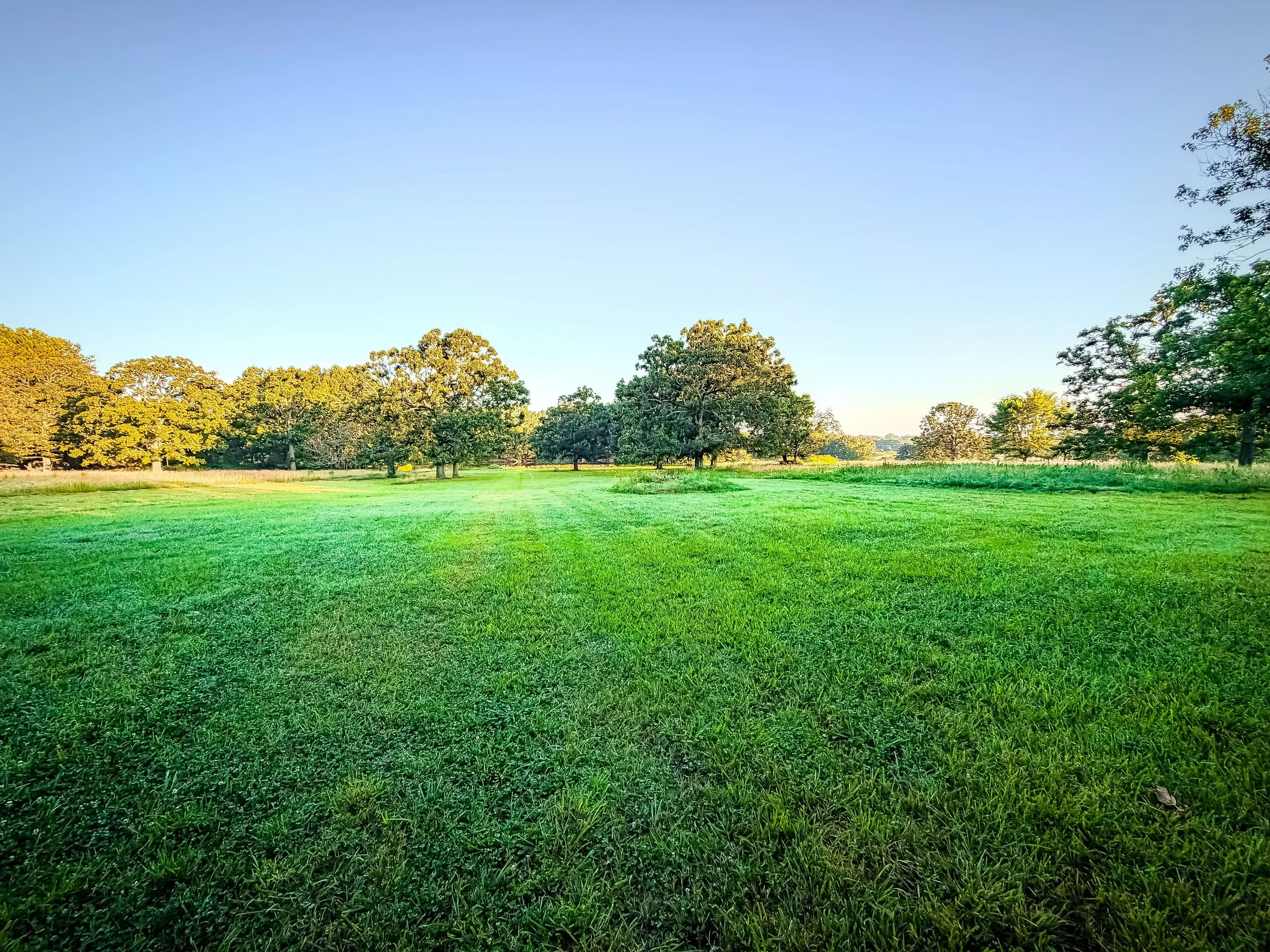
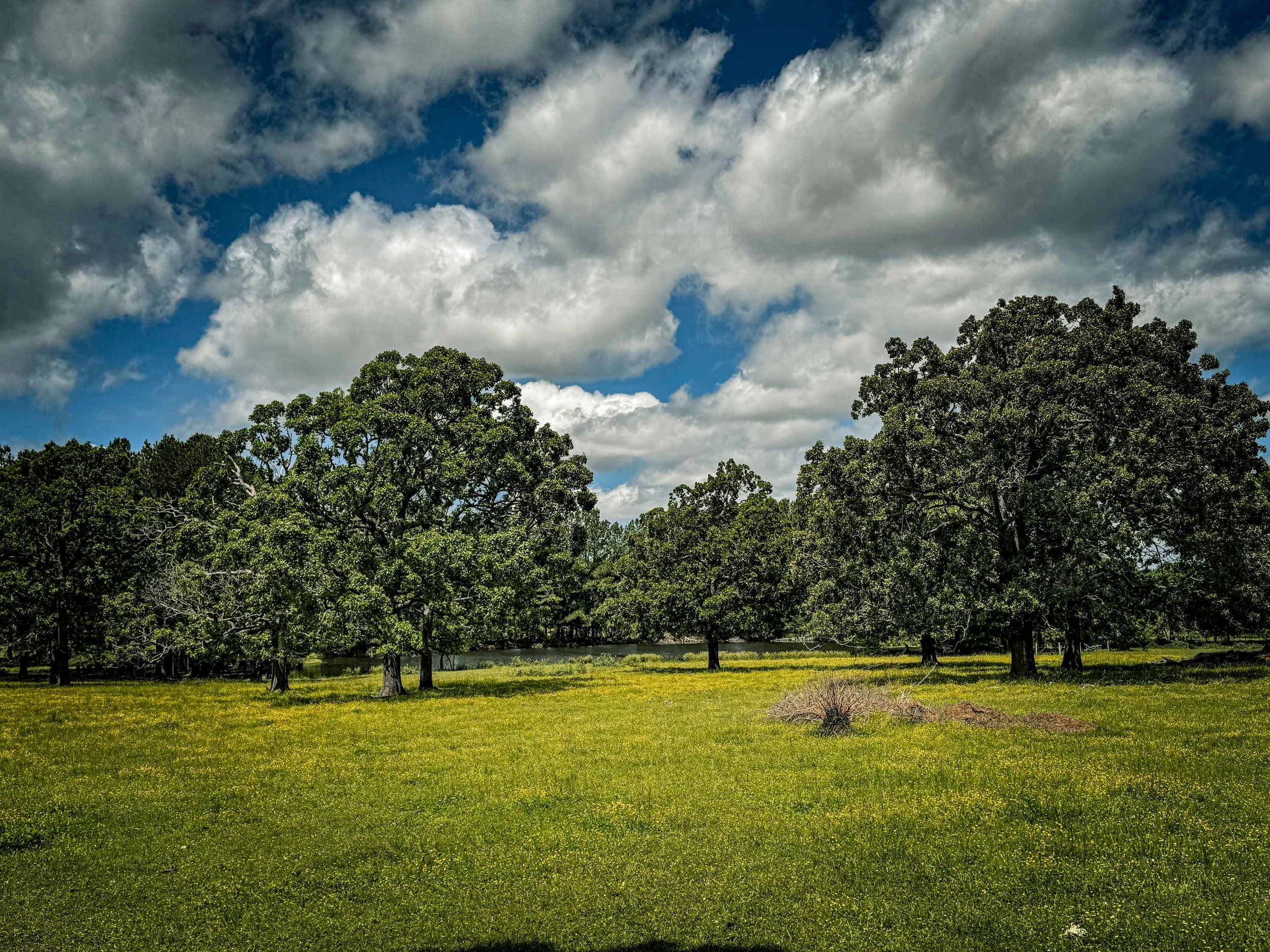
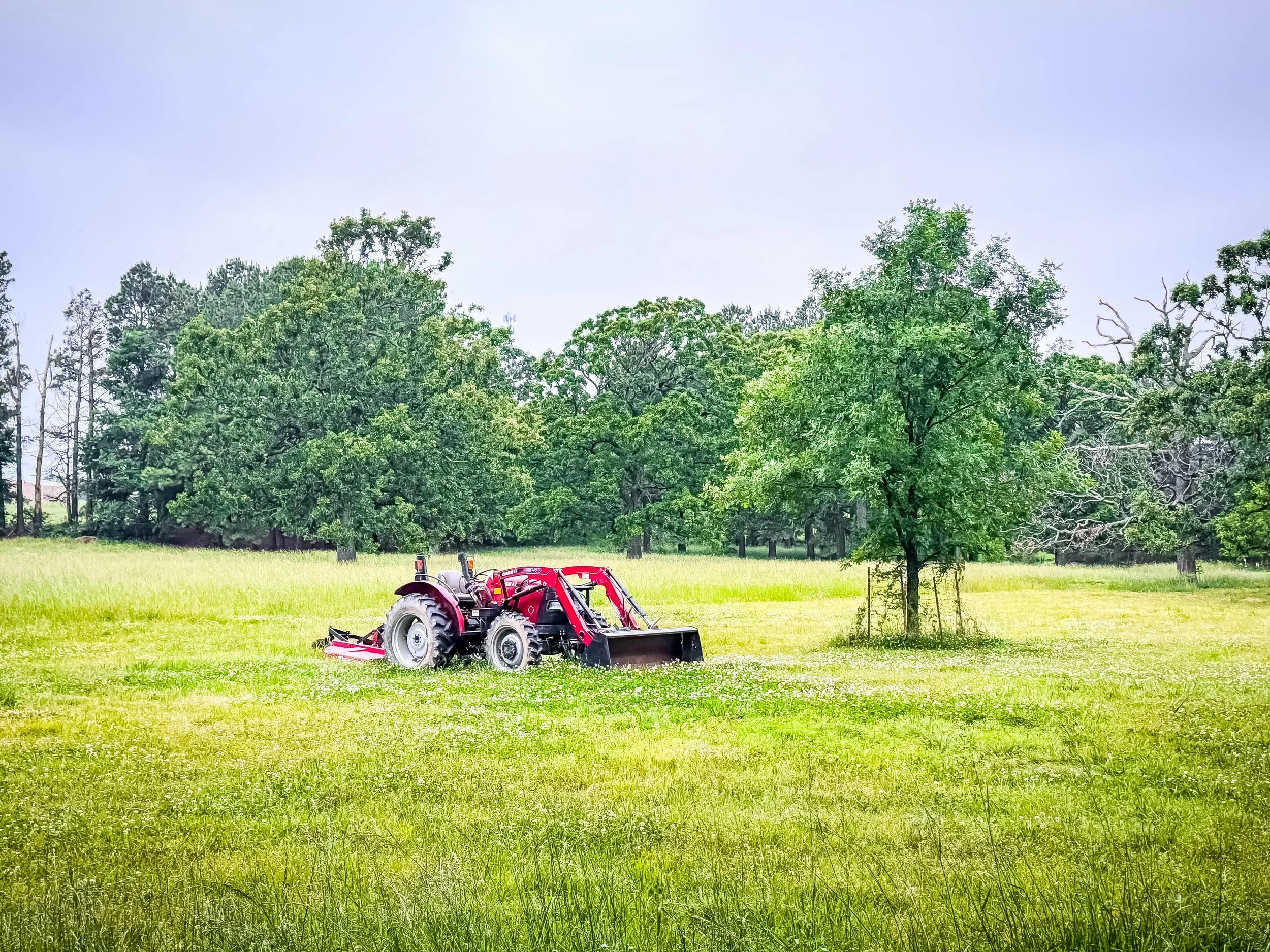
Years of thoughtful stewardship have left this pasture well prepared for a grazing partner. What you will find here:
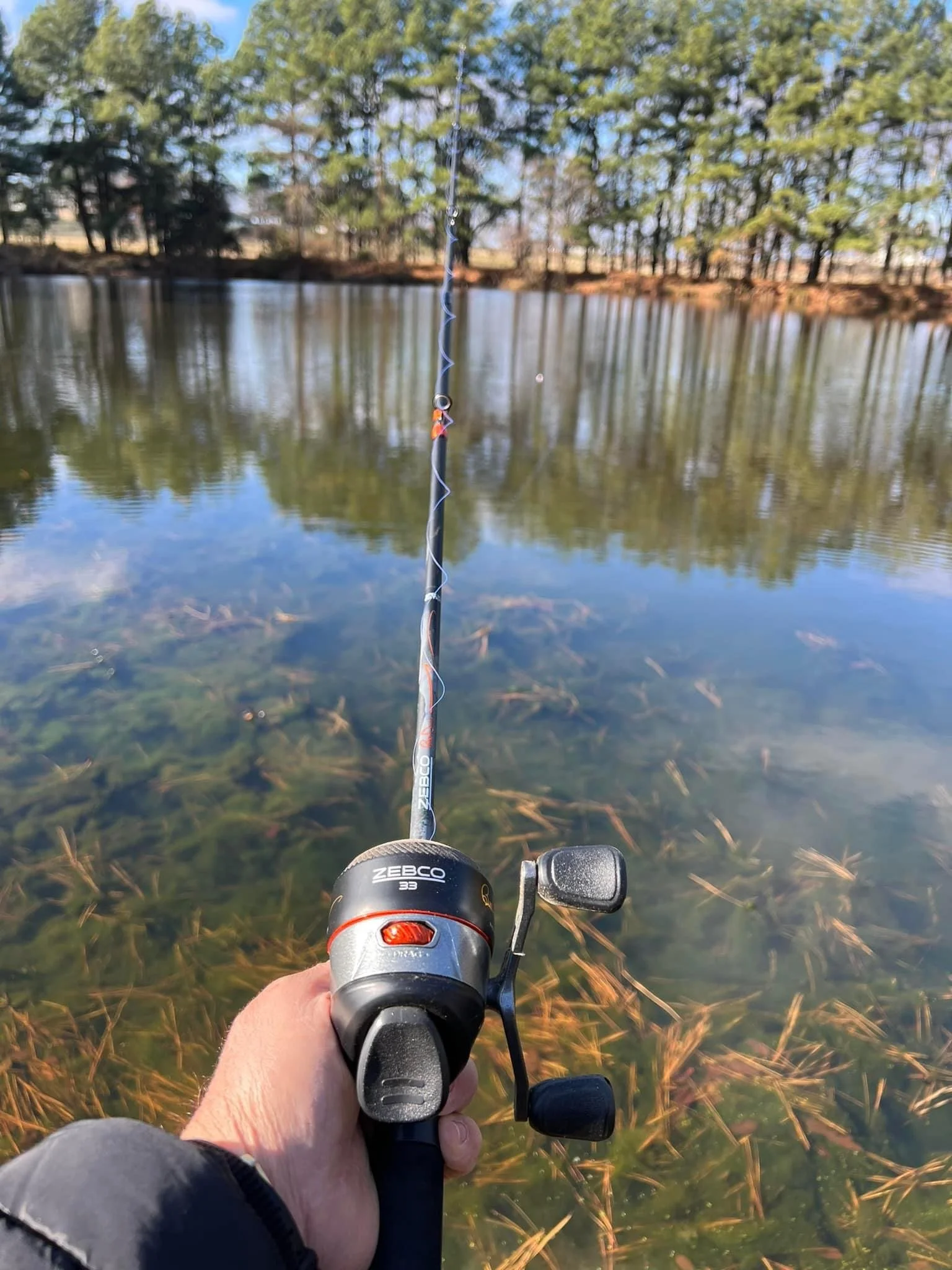
A year-round pond, providing a reliable water source for livestock in every season
Cattle fencing across all 40 acres, with cross-fencing already in place to support rotational grazing
Natural storm cover, including stands of pine trees that offer shelter for livestock during severe weather
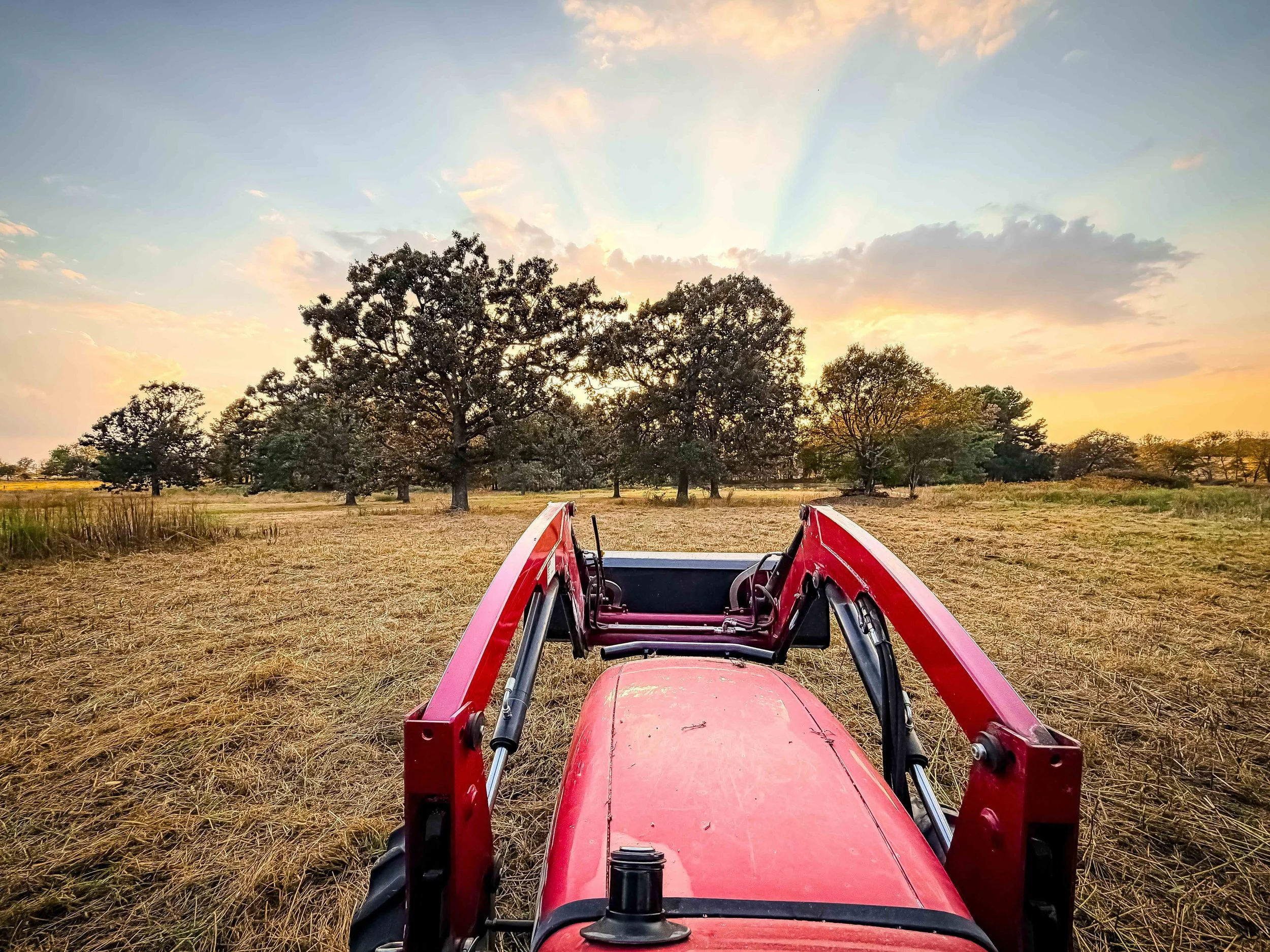
A cattle loader, already on site for easy, low-stress loading and transport
A barn, suitable for storing hay through the winter months
A grass blend that includes clover, providing quality grazing eight months of the year and reducing the need for supplemental feed
Our Commitment
This is pasture that has been rested, tended, and cared for across generations, and whoever leases it steps into more than acreage. You will be working land already shaped by decades of patient stewardship, soil my father spent a lifetime building, and a family still committed to protecting what he started. In return, we are looking for the same, a farmer who will work this land with intention, leave it healthier than they found it, and take genuine pride in being part of its story.
If this vision for what the land can become resonates with you, we invite you to reach out about leasing pasture here.